Sprinkler System Installation in Ormond Beach

Patchy coverage, an old system that's past fixing, or a new yard with no sprinklers at all: the wrong layout wastes water and leaves dry spots for years. We plan zones and heads around your property and Ormond Beach's sandy soil, install it right, and stand behind it with a 30-day limited warranty and our 100% satisfaction guarantee. Licensed (SCC131152818), family-owned since 1994, and rated 4.9 stars from 180+ Google reviews. Our crews work within about 20 miles of our Ormond Beach office, from Ponce Inlet and Port Orange to Flagler Beach and Palm Coast.

New Installation Versus Repair: How to Tell Which One You Need

Most sprinkler problems are repairs, not reasons to start over. A broken head, a leaking pipe or one dead zone can usually be fixed on its own. A new installation makes sense when there's no system at all, when the layout never covered your yard well, or when you're fixing something new every few weeks.
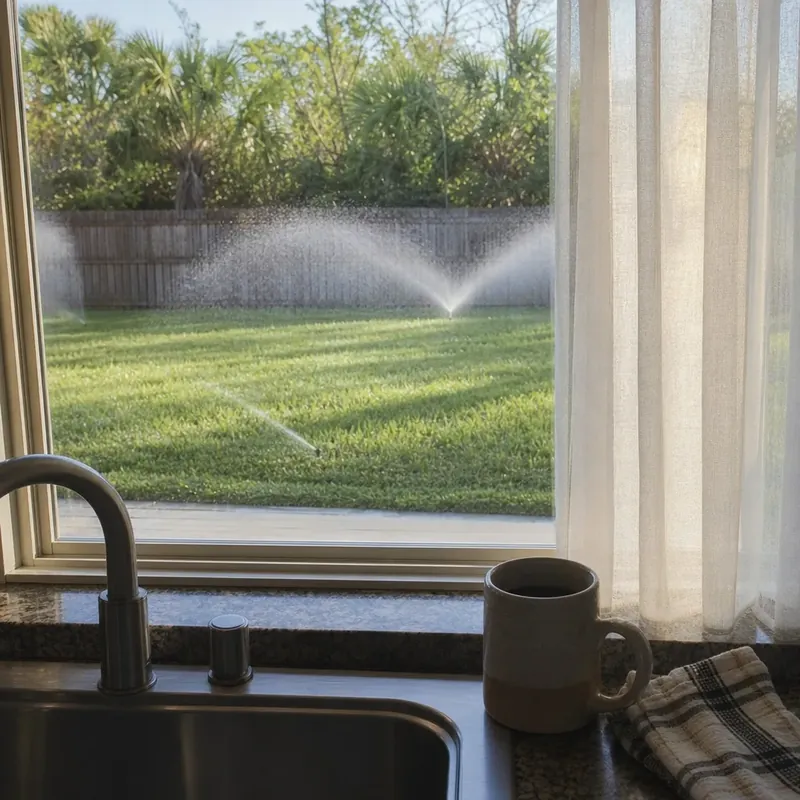
Backyard lawn with a newly installed sprinkler system in Ormond Beach

Here's the honest answer. If your system mostly works, you probably don't need a new one. A lot of folks call us expecting to hear they need to rip everything out, and that's often not the case. We'd rather fix what you have than sell you something you don't need.

A repair is usually enough when:

  • One or two heads are broken, stuck down or spraying the driveway instead of the grass.
  • There's a soggy spot or a geyser in one area, which usually points to a cracked pipe or a bad fitting.
  • One zone won't turn on while the others run fine. That's often a valve or a wire problem, not the whole system.
  • The timer is acting up or lost its settings after a power outage or a summer storm.
  • The water pressure dropped, but the layout covered your yard fine before.

If that sounds like your yard, sprinkler system repair is the right call, and it costs far less than starting over.

A new installation is worth talking about when:

  • Your home has no system and you're hand-watering or dragging hoses around.
  • You've got green circles near each head and brown strips in between, even though every head works.
  • You're fixing a different break every few weeks, and the pipe cracks when you touch it.
  • Your yard changed. You added beds, a pool, a patio or new trees, and the old zones don't match the yard anymore.
  • Nobody can find the valves, the wiring is a patchwork, and every repair turns into a hunt.

That second point trips up a lot of new homeowners. Say you just bought a place, and every head pops up and sprays like it should, but the lawn still looks striped. Nothing is broken. The heads are spaced too far apart, or they're the wrong type for the area they cover. Our sandy soil makes this easy to spot, because water soaks straight down instead of spreading sideways. Any gap between heads stays dry. You can replace parts all day and that yard won't green up. The layout itself has to change.

There's also a middle ground. If the pipes and valves are sound but the system wastes water, you may not need a new installation at all. Sprinkler system upgrades like a smart controller or a rain sensor can make a solid old system much more efficient. If only your shrub beds are the problem, drip irrigation installation can handle those areas without touching the lawn zones.

If you can't tell which side you're on, that's what our free estimate is for. We'll look at the whole system, explain what we find in plain words, and tell you straight whether a repair will do the job. There's no pressure either way.
Why Ormond Beach Soil and Watering Rules Shape System Design

A sprinkler system that works great up north can struggle here. Our ground is mostly sand, and it doesn't hold water the way clay or loam does. Water drains down fast and moves past the grass roots before the plants can use much of it. You already saw how that leaves dry gaps between heads. It also changes how long and how often each zone should run.

With sandy soil, one long soak mostly sends water below the roots, where it's wasted. A shorter run that gives the roots just what they can drink works better. A good design plans for that from the start. It picks the right heads, sets the right zone sizes and builds a schedule that fits the ground.

Watering rules matter just as much. Ormond Beach homes fall under local limits on which days and hours you're allowed to run your sprinklers. That sounds simple until you try to fit it into a real yard. If you only get certain mornings, every zone has to finish its job inside that window. A system with too few zones, or with zones that mix the wrong heads, can't put down enough water in the time you're allowed.

So when we lay out a new system, we split zones by what they water and how much sun they get. At My Irrigation Guy, we've been adjusting zones for sandy Florida soil since our family opened the business in 1994. Here's what that looks like in practice.

  • Lawn and shrub beds get separate zones. Grass and plants need different amounts of water, so one shouldn't drown while the other goes dry.
  • Sunny areas and shady areas stay apart. The strip along a south-facing wall dries out much faster than the yard under an oak tree.
  • Rotors and spray heads don't share a zone. Rotors put down water slowly over a wide area. Spray heads put it down fast in a small area. If you mix them, one spot gets soaked and the other stays thirsty.
  • Zone size matches your water supply. We check your pressure and flow first, so every head in a zone pops up and throws water the full distance.

Then there's the weather. Summer storms can roll through almost every afternoon, and there's no reason to water the morning after a soaking. Florida calls for a rain sensor or a similar shutoff device on automatic sprinkler systems. A rain sensor tells the timer to skip a cycle when it's already rained. We can add rain sensor installation, a soil moisture sensor or a smart controller as part of a new system. A smart controller adjusts the schedule on its own as the seasons change.

None of this is fancy. It's just building the system for the yard you have, in the place you live. When the design fits the soil, the rules and the rain, you use less water and get a greener lawn, and your bill shows it.

If you're new to Florida, don't worry about remembering all of this. When the job's done, we'll walk you through your controller and show you how your watering days are set, so you know how it works.

What Happens During a Professional Installation

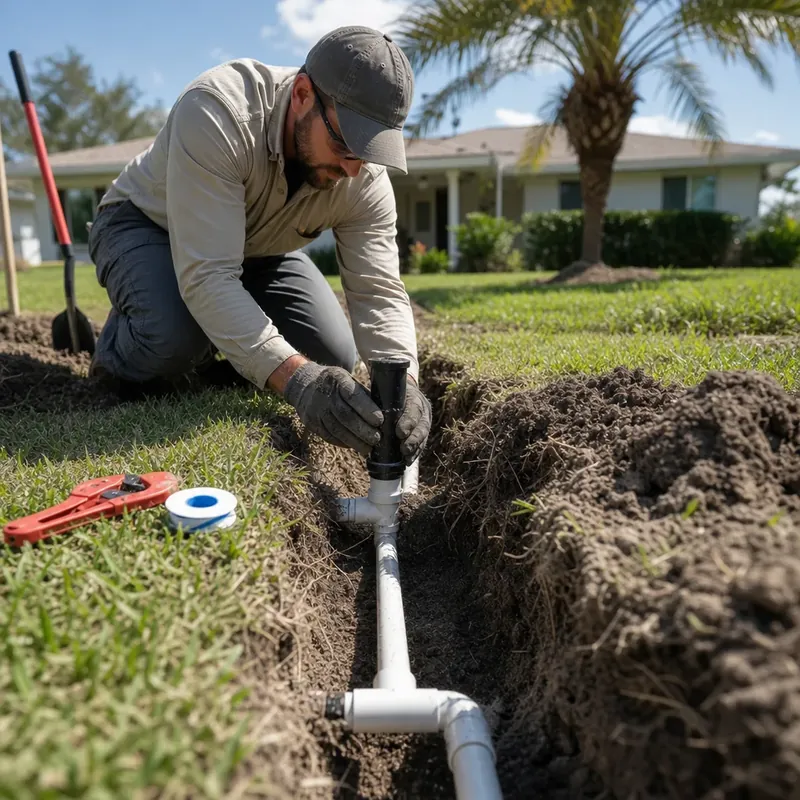
Trench with PVC pipe and a sprinkler head during installation

Here's exactly what a new installation looks like from start to finish. There's no mystery, and you'll know what's happening at every step.

It starts with the free estimate. We walk your yard with you, look at your water source and talk about what you want watered. That's when we sketch out the zones based on the soil and sun we covered above. You'll get a plain explanation of the plan before any digging starts. There's no pressure to sign anything that day.

Once you're ready, the work follows a clear order:

  • Marking what's underground. Buried power, gas, cable and water lines get located and flagged before anyone puts a shovel in the ground. This keeps your yard and your utilities safe.
  • Laying out the heads. Each head location gets marked with a small flag, so you can see where the water will reach before the pipe goes in.
  • Digging narrow trenches. Pipe goes in shallow, narrow trenches, not wide holes. The sod along each trench gets set aside so it can go back down afterward.
  • Connecting to your water. The main line ties into your water supply or well pump. A backflow preventer goes on this connection. It's a valve that keeps sprinkler water from flowing back into the water you drink.
  • Setting valves and running wire. Each zone gets its own valve, usually grouped in a box you can open later. Low-voltage wire runs from those valves to the controller, so every zone can be found and fixed without a hunt.
  • Flushing the lines. Before the heads go on, water runs through the open pipes to push out dirt and sand. Our sandy ground makes this step matter, because grit left in the line can clog a brand-new nozzle.
  • Installing and testing heads. Every head goes on, and then each zone runs while the spray patterns get adjusted. The goal is water on the grass and beds, not on your driveway, walls or windows.
  • Cleaning up. Trenches get filled and the sod gets pressed back in place. Expect thin lines in the lawn for a little while. With regular watering, they fill back in.

We bring a stocked trailer, so we have what the job needs on hand. You'll always know what comes next. If anything changes along the way, we'll tell you why before we do it, not after.

The last step is the one a lot of folks remember most. We stand at the controller with you and walk you through it. We show you which zone is which, how your watering days are set and how to run a zone by hand when you want to check it. If you're a seasonal resident or you manage a property, we'll make sure whoever runs the system knows how to use it, too.

Before we pack up, we run the whole system one more time with you watching. If something doesn't look right to you, we want to hear about it.

Licensing, Permits, and Backflow Requirements in Florida

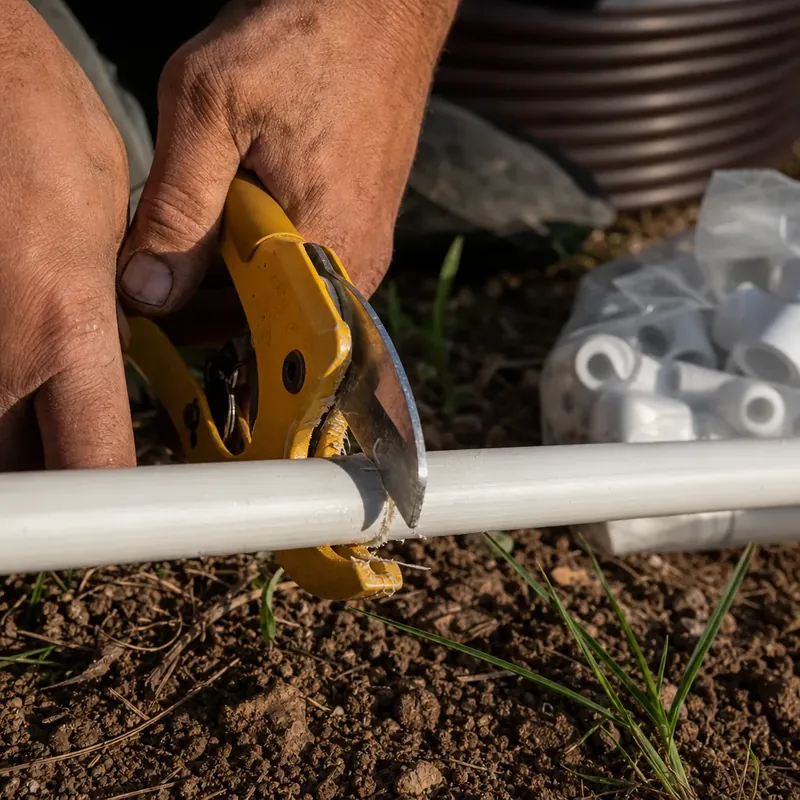
Cutting PVC pipe for a new sprinkler system installation

A new sprinkler system ties into the same water your family drinks. That's why Florida treats irrigation work as more than digging trenches. There are rules about who can do the work, what paperwork it needs, and how your drinking water stays protected. You don't need to know every rule. You just need to know enough to make sure your installer is following them.

Start with licensing. Florida licenses contractors, and you can look up any license number on the state's online license search before you hire anyone. It only takes a minute. Our license number is SCC131152818, and you're welcome to check it. A licensed contractor is on record with the state, and that's a fair thing to expect from anyone who's going to tap into your water line.

Permits are the part that trips people up. Many Florida cities and counties require a permit for a new irrigation system, the backflow device or both. The rules aren't always the same inside Ormond Beach city limits as they are in unincorporated Volusia County or over in Flagler County. Your water provider may have its own requirements, too. Getting this right at the start matters. A system installed without the right sign-off can cause headaches later, like when you sell the house or the water provider asks about your backflow device.

Backflow is where the rules get the most serious. You already know a backflow preventer keeps sprinkler water from flowing back into your drinking water. Lawn water can pick up fertilizer, bug spray and dirt, so this device protects more than your own tap. Many water providers in Florida also want backflow devices tested on a schedule after they're installed. If yours does, you'll want someone who can handle backflow preventer installation and testing, not just the sprinklers.

If your system runs off a well instead of city water, the setup is different. The pump and the backflow protection have to be matched to that source. Ask about it during the estimate so nothing gets guessed at. The same goes for the rain shutoff device Florida calls for on automatic systems. It should be part of the plan from day one, not added later.

Before you hire anyone for a new installation, these questions will tell you a lot:

  • What's your license number, and can I look it up?
  • Who pulls the permit, if one is needed, and is that cost in the estimate?
  • What backflow device will you install, and does my water provider require testing?
  • Is a rain sensor or similar shutoff included?
  • If I'm on a well, how will you handle the pump and the connection?

Clear answers are a good sign. If someone shrugs off the permit question or says the paperwork doesn't matter, that's worth noticing. It's also how surprise add-ons sneak in, when a cost nobody mentioned shows up at the end. We'd rather cover all of it up front, in plain words, during your free estimate. That way, you know exactly what's included and what the paperwork looks like before any digging starts.

Matching Zones and Heads to Your Property Type

No two yards need the same system. A narrow side yard, a wide front lawn and a strip of shrubs along the driveway all need water in different ways. The right setup comes from matching each part of your property to the head that fits it. Then those heads get grouped into zones the way we covered above.

Here's a quick look at the three main types of heads and where each one does its best work.

  • Pop-up spray heads. These rise out of the ground, spray a fixed fan of water and drop back down when they're done. They're a good fit for small lawns, tight corners and narrow strips, where you need water to stop at a sidewalk or a wall.
  • Rotors. These turn slowly and throw a stream of water much farther than a spray head. They work well on big, open lawns, where fewer heads can cover more ground.
  • Drip lines. These lay low in your beds and drip water right at the roots. They suit shrubs, flower beds and plants close to the house, where spray would just wet the leaves, the siding or the windows.

Now picture how that plays out on different properties.

Smaller lots and townhomes. Space is tight, and there's usually a driveway, a walkway or a neighbor's yard close by. Spray heads with the right nozzles keep water on the grass and off the pavement. Fewer zones may do the job, but each one still has to finish inside your allowed watering window.

Larger single-family lots. A big open lawn is where rotors pay off. They cover more area with fewer heads, which means less pipe and less digging. The front beds and the edges near the house can still use spray heads or drip, each on its own zone.

Landscape-heavy yards. If your yard is more beds than grass, drip can take on a big share of the work. It puts water right where the plants need it and wastes very little to wind or runoff. That matters in our sandy ground, because you want the water to go into the root zone, not run past it.

New construction and fresh sod. With a bare yard, the system can be planned around the landscape before it goes in. That's the easiest time to get the zones right, because nothing has to be worked around.

Commercial properties and HOAs. Bigger sites mean more zones, and more people who may need to understand the system. Here, a clear layout matters as much as the heads. Every zone should be easy to find, labeled at the controller and simple to check. Property managers want to know what waters what, so when a tenant or board member asks about a dry patch, there's a fast answer.

Your water source plays a part, too. A well pump and a city line give you different amounts of flow. That changes how many heads can run at once, and it can tip the choice between rotors and sprays on a big lawn.

The goal is the same on every property. Each area should get the kind of water it needs, in the time you're allowed to run it, without spraying anything that isn't growing. When the heads fit the space, you don't have to keep fiddling with the system later.

Frequently Asked Questions

How long does a new sprinkler system installation take?

Most yards take one to two days from start to finish, depending on the number of zones and the size of your lawn. The process includes marking underground utilities, digging trenches, laying pipe, setting valves, and testing every head. Larger properties with more zones, like bigger single-family lots or commercial sites, can take a bit longer because there's more area to cover.

Will my lawn be torn up after installation?

You'll see thin lines in the grass where trenches were dug, but they fill back in with regular watering. We dig narrow trenches instead of wide holes, and we set the sod aside during digging so it can go back down afterward. Most yards look normal again within a few weeks.

Can I keep using part of my old system instead of replacing everything?

Yes, if the pipes and valves are still sound, you may only need upgrades instead of a full replacement. A smart controller or rain sensor can make an older system run more efficiently, and drip irrigation can be added just for shrub beds without touching the lawn zones. A free estimate will tell you which parts of your current setup are worth keeping.

Do I need a permit before installing a sprinkler system in Ormond Beach?

Many Florida cities and counties require a permit for a new irrigation system or backflow device, and the rules inside Ormond Beach city limits can differ from unincorporated Volusia County. Your water provider may also have its own requirements. It's worth asking your installer who pulls the permit and whether that cost is included in your estimate.

How much does a new sprinkler system cost?

The price depends on the size of your yard, the number of zones, the type of heads, the controller and rain sensor you choose, and how hard the ground is to trench around trees, beds and hardscape. Permit costs can be part of it too, when one is needed. We walk your yard, look at your water source, and give you a written estimate so you know the price before any work begins. The estimate is free.

How many zones will my yard need?

It depends on your water supply and what you're watering. We check your pressure and flow first, so every head in a zone pops up and throws water the full distance. Then we split zones by what they water and how much sun they get. Lawn and shrub beds get separate zones, and rotors and spray heads don't share a zone. A small lot may need only a few zones. A larger lot with beds, shade and full sun needs more.

Does a new sprinkler system need a rain sensor?

Yes. Florida calls for a rain sensor or a similar shutoff device on automatic sprinkler systems. It keeps the system from watering right after a storm, which matters in our summer rainy season. Ask any contractor whether one is included in the estimate.

Is there a warranty on a new sprinkler system installation?

Yes. A new installation comes with a 30-day limited warranty on parts and workmanship, along with our 100% satisfaction guarantee. If something fails in that time because of faulty parts or workmanship, we make it right. When the job is done, we also walk you through your controller and show you which zone is which and how your watering days are set.

What should I ask before hiring someone to install a sprinkler system?

Ask for their license number before they start. Florida irrigation work should be done by a properly licensed contractor, and ours is License # SCC131152818. Ask who pulls the permit if one is needed and whether that cost is in the estimate. Ask whether a rain sensor is included, and how the lawn will be restored after trenching. Clear answers up front mean fewer surprise add-ons later.

Thinking About a New Sprinkler System?

Call 386-610-2882 or send us a message. We reply within 48 business hours to schedule your visit.

About Us

We diagnose, repair, and install irrigation systems and sprinkler systems in Ormond Beach, Daytona Beach, Port Orange, Flagler Beach and Palm Coast. License # SCC131152818

2500 John Anderson Dr
Ormond Beach FL 32176

Follow Us

Guarantees

  • On-Time Guarantee
  • Drug Free Guarantee
  • 100% Satisfaction Guarantee
  • 30 Day Limited Warranty on repairs and new installs and new installs and new installs and new installs

Payment

  • We gladly accept:
  • Most Major Credit Cards
  • Zelle or Wire Transfer
  • Check
  • Cash
Call NowGet Service Now